
There's a smell that develops in a floor scrubber that everyone recognizes and nobody talks about: dirty water left in the recovery tank turns sour, and the machine starts smelling like a drain every time it runs. It's not just unpleasant. In food, healthcare, and hospitality facilities, a machine that smells means the tank has biofilm, and biofilm means the machine is spreading contamination instead of removing it. The good news is that tank hygiene is almost entirely about routine — and the routine takes five minutes per shift. This guide covers why tanks go bad and the daily, weekly, and monthly cleaning that keeps a scrubber smelling clean.
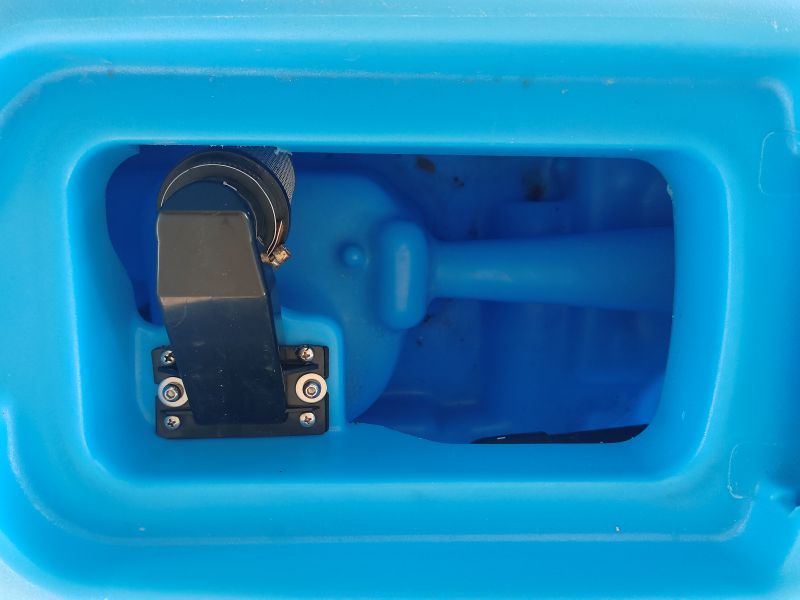
Three ingredients turn a clean tank into a smelly one:
The solution tank has a milder version of the same problem: leftover cleaning chemicals left standing can grow residue and leave a film that carries over into the next job.
If you only adopt one habit from this guide, make it this: the recovery tank gets emptied and rinsed at the end of every shift — no exceptions, no "it's only water." Two minutes with a hose prevents weeks of odor. It's the same after-shift discipline as the rest of the shutdown routine in our daily maintenance checklist and pre-op checklist.
Once a week, give both tanks a proper clean:
This is also the moment to check the tank for cracks and the seals for wear — small problems found weekly stay small.
If you're choosing chemicals for a food or healthcare facility, hygiene matters as much as cleaning power — our cleaning chemical guide covers the selection side.
Most scrubbers have a filter or screen protecting the vacuum system, plus hoses that carry dirty water. Those need attention too:
Dirty water left in the recovery tank, combined with warmth and time, grows bacteria and biofilm. Emptying and rinsing after every shift usually solves it; if the smell persists, the tank needs the weekly deep clean.
Avoid it. Harsh chemicals can attack seals and gaskets and leave residue that affects the next cleaning job. Warm water and a mild detergent handle normal buildup.
Rinse daily, deep clean weekly, and inspect monthly. Facilities handling food or high-hygiene areas should follow their own protocol and clean more often.
Yes. Biofilm and residue reduce water quality and can leave film on the floor — and in hygiene-sensitive facilities, a contaminated tank works against the cleaning you're paying for.
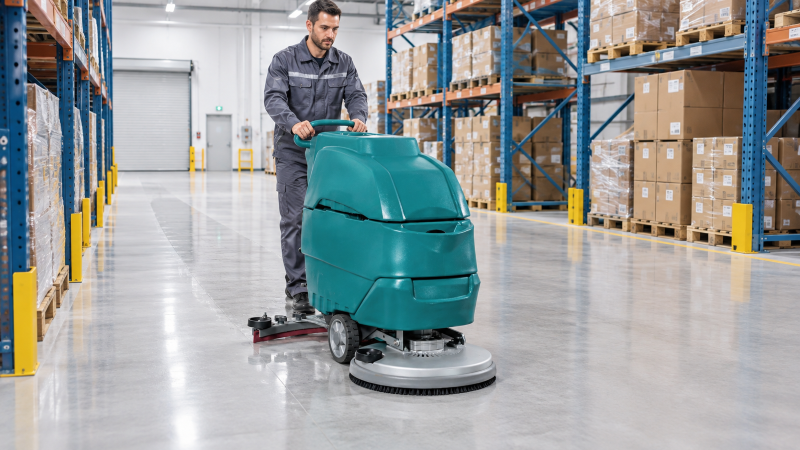
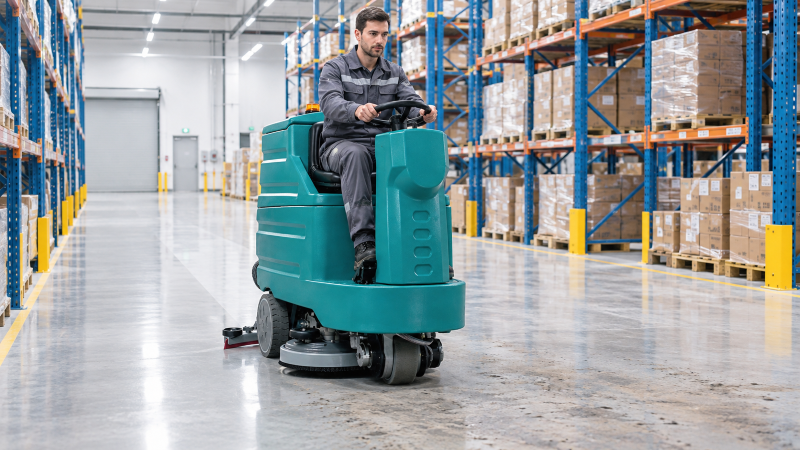
Tank hygiene is the least glamorous part of owning a scrubber and one of the most important. Empty and rinse every shift, deep clean weekly, leave lids open to dry, and never store a machine with water inside. Do that and the machine stays odor-free and hygienic — whether it's an A3 walk-behind or a A7 ride-on. For the wider care picture, our maintenance guide covers the rest of the machine.
Contact TerraScrub
Email: Donnie@terrascrubx.com
WhatsApp: +86 166 0187 1755
No. 600, Jiye Road, Sheshan Town, Songjiang District, Shanghai, China